The Ouachita River carried goods and people from place to place long before the days of planes, trains, and automobiles. American Indians used canoes on the waterway for years, and after the arrival of Europeans in the area, French hunters and trappers also frequently utilized the river for transportation. In those early days deerskins and bear fat remained valuable commodities, with New Orleans serving as the ultimate point of trade. The Ouachita offered an opportunity to transport such goods to that important southern port city.
Canoes, pirogues, small flatboats, and small keelboats traveled the Ouachita for commercial purposes from the beginning of American settlement. The simple, shallow-draught vessels carried cargo from further upriver than what is now Arkadelphia downstream to Camden and New Orleans in certain times of the year. Raw materials such as cotton and hides went south on the river, while refined and finished goods and supplies made the return trip, but usually on land.
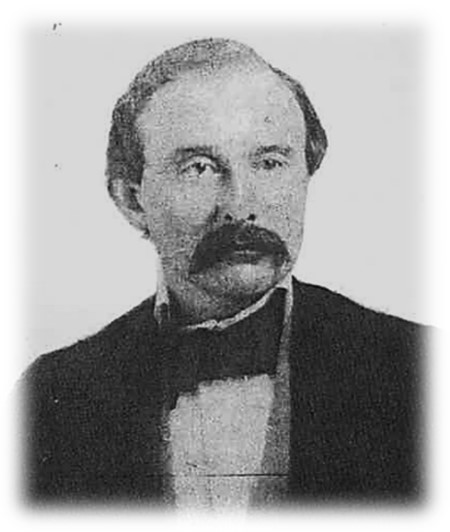
Pioneer Jacob Barkman was among those who found river transportation to be beneficial. He and his family lived near what is now Caddo Valley not far from the confluence of the Caddo and Ouachita rivers and used the river for trips to New Orleans. Barkman initially utilized canoes and pirogues for transporting his goods. One of his vessels was said to be a dugout made from two large hollowed-out tree trunks fastened together and propelled with oars. Even before 1815, Barkman carried loads of cotton, pelts, and other items downriver, returning with household supplies and other goods to sell. Such river travel to New Orleans proved to be quite slow, with journeys sometimes consuming weeks or even months for a round trip. But, it served as a beginning for commerce on the Ouachita River in what is now Clark County.
The introduction of steam-powered boats in the nineteenth century revolutionized river travel and trade. The nation’s rivers—including those in Arkansas—began to carry steamboats, and goods and people flowed all across the new nation on them. The keelboats/flatboats previously in use were replaced by new vessels that could more nimbly travel both up and down rivers with all kinds of cargo and passengers.
Jacob Barkman recognized an opportunity in this type of river travel and made it an integral part of his commercial operations. As his business grew and more and more settlers arrived in the area, Barkman needed larger and faster boats to carry more goods. So, he brought steamboats to the upper Ouachita River.
The first steamboat to land at Arkadelphia is believed to have been piloted by Joseph Cossart, who later became a leading businessman in the town. The vessel, as recalled by an early citizen, was a single-engine steamboat called the O.K.
Barkman also utilized a steam-powered boat of his own that he called the “Dime.” The Dime was said to be a small, but very nice craft. Local legend tells that the vessel got its name when a man who had seen much larger steamboats on the Mississippi River laughed and said the boat “Tain’t no bigger’n a dime!” It made regular trips up and down the river for a short time before it sank–possibly near Montroy (a landing on the Ouachita between Arkadelphia and Camden)–or, until Barkman lost it in a business deal gone bad!
According to one report, Barkman partnered with New Orleans businessman J.G. Pratt to deliver cotton to the Crescent City. Barkman would provide the cotton: Pratt was to arrange for its sale at top price. According to plan, Barkman and his crew left Clark County with many bales of cotton and a number of passengers. But not according to plan, upon arrival the vessel was met by law enforcement officials who seized the Dime and all of its contents in order to “make good the indebtedness” of John G. Pratt & Company. Thankfully, “soon Barkman was released from prison life in New Orleans, sans boat, sans cargo, sans crew.” The writer opined, “Pratt had the money and Barkman the experience, with the bitterness thrown in.”
Perhaps the load in question was the 230 bales of cotton that made it to New Orleans on the Dime in the spring of 1844. Barkman’s arrival with the load was noted in the April 9, 1844, issue of the New Orleans Picayune. Then, in 1845, notices appeared for months in the Washington (Hempstead County) Telegraph announcing Barkman’s departure from his business partnership with Pratt. Jacob Barkman apparently wanted it well known that he no longer associated with Pratt.
 arkansashistory.online