For college football fans, the name “Burrow” conjures up thoughts of Heisman Trophy winner Joe Burrow, quarterback of the national champion LSU Tigers. However, back in the 1880s, the name brought to mind a much different character: the outlaw Rube Burrow. Certainly, southwest Arkansas had seen its share of crime in the years since the area became a part of the United States in 1803 and the subsequent creation of Arkansas Territory in 1819. The Military Road (later called the Southwest Trail) passed through the heart of what is now Hot Spring County, carrying people of all sorts on their way to the West and Southwest. Later, the railroad crossed the county, too, somewhat paralleling the road.
Among those who made their way to the area was Rube Burrow, a nationally-known train robber and outlaw. As the region’s frontier days neared an end in the latter 1880s, Burrow came to be one of the most hunted men in the southwestern United States since Jesse James. From 1886 to 1890, he and his gang robbed trains in numerous states in the region, all the while being pursued by lawmen throughout the country, including the famed Pinkerton Detective Agency. Rube traveled through Hot Spring and Clark counties in an attempt to free his brother Jim Burrow from authorities following Jim’s arrest for a bank robbery in Genoa, Arkansas, committed with the rest of their gang.
A train out of Texarkana fell victim to Burrow’s gang in December of 1887 near Genoa, and a huge manhunt began for the robbers. Then, in January of 1888, Jim Burrow was captured in Alabama and transported to the State Penitentiary in Little Rock to await trial for the crime. Officials set his trial date for September 5, 1888, in Texarkana. At the time, Arkansas’s state penitentiary was located at the site of the current state capitol building. During the early years of the Civil War, the jail operated as a prison for Federal soldiers captured by Confederate forces. Then, after Union troops occupied Little Rock in September of 1863, the penitentiary served in the same capacity for the Union by holding Confederate prisoners there until the end of the war. After the war was over, the prison returned to its former role. To appear for his trial, Jim Burrow would have to travel to Texarkana from the prison. Officials opted to take him by train.
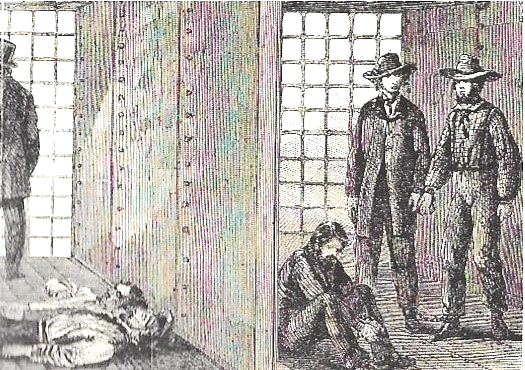
Rube Burrow saw this as an opportunity to free Jim from his captors. He headed to Arkansas on horseback with Joe Jackson, his friend and cohort in crime. Rube’s plan was two-fold—to rob the train on which Jim was to be taken to Texarkana for trial; and most importantly, rescue his brother.
On the day Jim Burrow was scheduled for transport to Texarkana, Rube Burrow and Joe Jackson boarded trains with guns flashing when the cars stopped at Donaldson, Malvern, and adjacent stations, looking for Jim. They finally made their way to Curtis, not far from Gurdon in Clark County. There, the pair learned that the next train was not scheduled to stop at Curtis, and that they needed to go back to Arkadelphia to meet the day’s last southbound train. With only an hour to ride, the two traveled quickly, but reached Arkadelphia just in time to see the train pull out of the station. They were too late.
 arkansashistory.online